







Search Results for: Wet filter paper
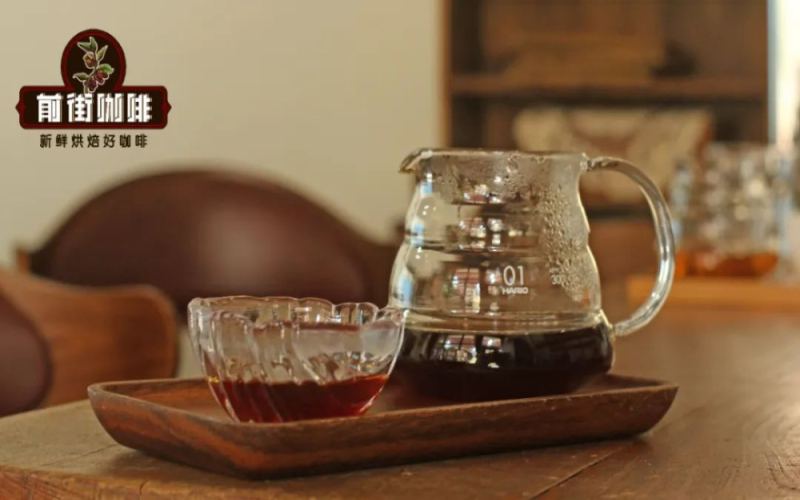
Should You Wet Pour-Over Coffee Filters First? Analyzing the Three Major Functions of Wet Filters and the Extraction Differences of Not Wetting Them
Should you wet the filter paper before making pour-over coffee? This question seems simple, but behind it lies multiple factors such as paper taste, preheating the dripper, and extraction evenness. A barista at Front Street Coffee was once asked by a customer why one filter paper was wetted while the other was brewed directly, when brewing iced pour-over and hot pour-over at the same time. This article will start from the three main purposes of wetting the filter paper—rinsing away off-flavors, preheating the dripper and server, and making the filter paper adhere to the dripper—then further analyze the possible effects of wetting the filter paper, such as hindered blooming and degassing, premature extraction of coffee grounds, and water absorption by the filter paper, and finally explain why hot brewing and iced brewing handle the filter paper differently, helping coffee enthusiasts make a more suitable choice based on actual circumstances. [more…]
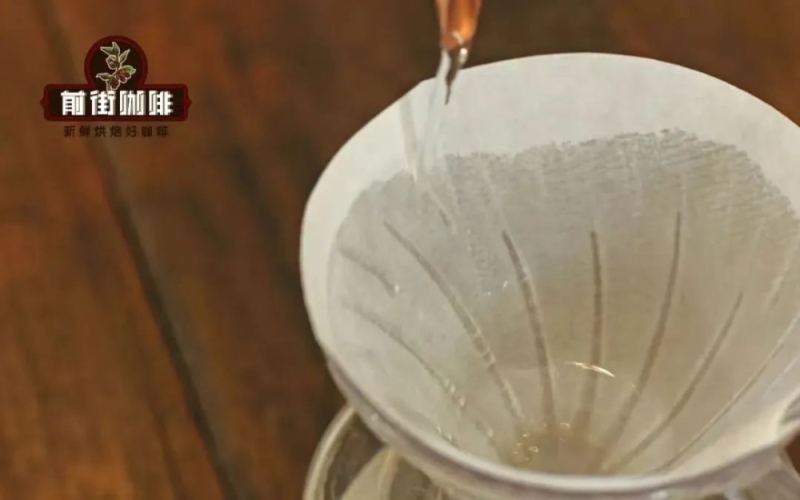
Should You Wet the Filter Paper for Pour-Over Coffee? An Experiment Reveals the Answer from Three Dimensions: Liquid Volume, Concentration, and Taste
When brewing pour-over coffee, should the paper filter really be pre-wetted? This question seems minor, yet it can affect the final liquid volume, concentration, and flavor expression. This time, Front Street Coffee used two drippers, the V60 and Origami, along with two types of filters, conical and cake, to conduct comparative brews with wetted and non-wetted filters, comparing the differences one by one from liquid weight and refractometer data to actual tasting. At the same time, the article also explains in depth why the blooming stage should use twice the amount of water as the coffee grounds, and why the portion of liquid that first contacts the coffee grounds has a lower concentration. If you have also agonized over this detail, you may as well follow the experimental data and see it clearly. [more…]
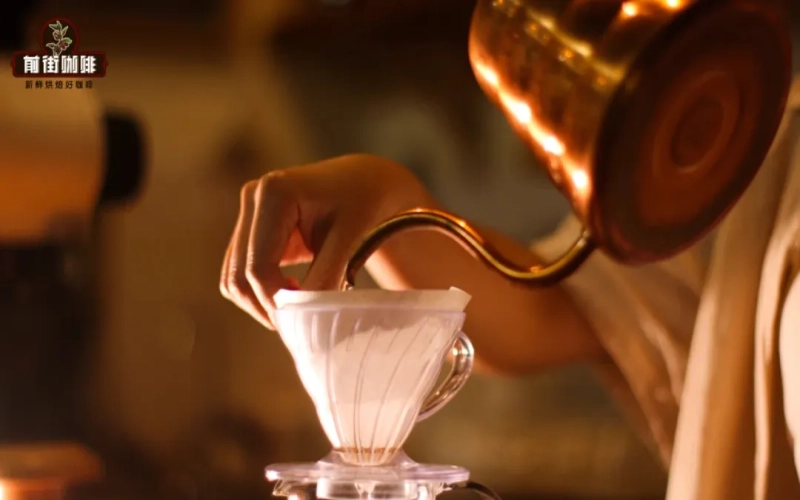
Should you pre-wet pour-over coffee filter paper? Analyzing the real differences between wet and dry filter paper
In the daily practice of pour-over coffee, many enthusiasts notice a detail: sometimes the filter paper is rinsed with hot water before brewing, while other times coffee grounds are added directly and pouring begins. At Front Street, when making hot pour-over and iced pour-over, these two different methods happen to be used. So is there any substantive difference between wetting the filter paper and not wetting it? The traditional purposes of wetting filter paper are mainly three—removing paper taste, preheating the dripper, and making the filter paper adhere to the dripper. But with advances in filter paper manufacturing technology and the diversification of dripper materials, do these concerns still hold? This article will start from filter paper quality, dripper material, and actual brewing needs, analyzing the necessity of wetting filter paper one by one, to help you make a more reasonable choice in different scenarios. [more…]
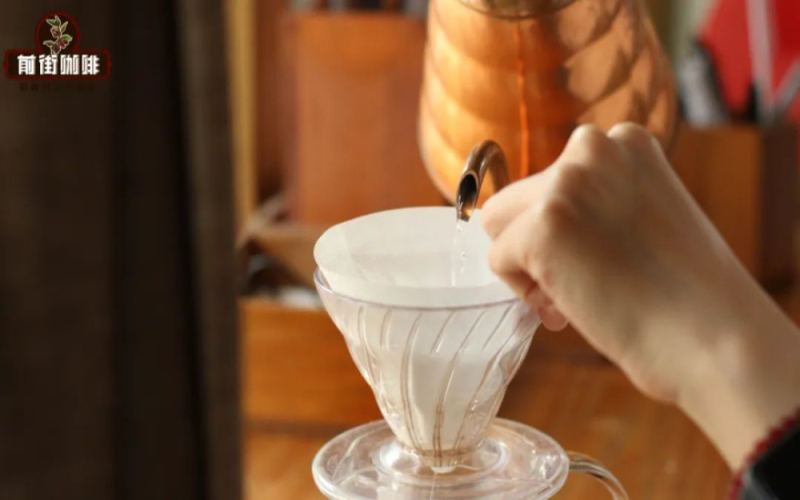
For pour-over coffee, should you use hot or room-temperature water to wet the filter paper? A hands-on test of the flavor differences across three filter-cup materials
Should you wet the filter paper with hot water or room-temperature water before pour-over coffee? Does this seemingly insignificant step really affect the final flavor? Many coffee enthusiasts share this confusion. In this experiment, Front Street Coffee used filter holders made of three different materials—resin, ceramic, and copper—and wet the filter paper with either room-temperature water or hot water above 90°C, conducting a comparative experiment under identical brewing parameters. The results showed that wetting the filter paper at different water temperatures does indeed lead to differences in the temperature and concentration of the coffee liquid, and the flavor profile also showed different tendencies toward sweetness and acidity. Through detailed experimental data, this article will analyze the mechanism by which the water temperature used to wet the filter paper affects the extraction process, helping you find the cup that best suits your taste. [more…]
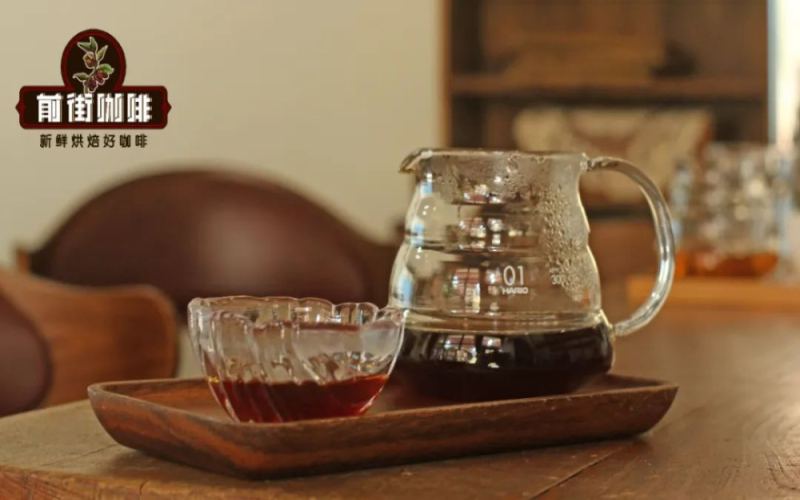
Should You Wet Your Pour-Over Coffee Filter First? A Comprehensive Analysis from Odor Removal and Preheating to Fit
In the daily practice of pour-over coffee, some people habitually rinse the paper filter with hot water before brewing, while others place a dry filter directly into the dripper and start pouring. Both approaches have their own rationale, and neither is absolutely right or wrong. When the baristas at Front Street Coffee were making both iced pour-over and hot pour-over at the same time, a customer once asked them about this very question. What practical effects does rinsing the paper filter actually bring? And what impact does skipping this step have on extraction? This article will examine three angles—removing papery taste, preheating the equipment, and helping the filter adhere to the dripper—while also analyzing the problems that wetting the filter may cause, such as obstructing the bloom and degassing, prematurely extracting the coffee grounds, and the filter absorbing water, to help you make a more suitable choice in different brewing scenarios. [more…]
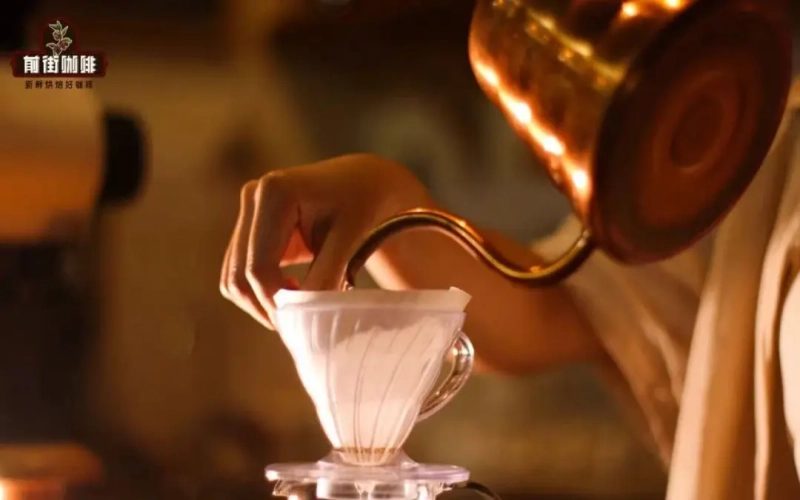
The Impact of Wetting Filter Paper Water Temperature on Coffee Extraction: How to Choose Between Hot and Cold Water
When brewing pour-over coffee, wetting the filter paper is a common step, but have you ever considered that the choice of water temperature can also change the final flavor? This article analyzes the different results brought by wetting the filter paper with hot water versus cold water from three dimensions: the state of the filter paper, extraction efficiency, and coffee temperature. At the same time, drawing on Front Street Coffee's brewing experience, it offers recommendations for filter holders made of different materials such as ceramic and resin, and explores the actual impact of preheating the sharing pot on the temperature of the brewed coffee. Whether you are pursuing sweetness or delicate flavors, you can find a way of wetting the filter paper that suits you. [more…]
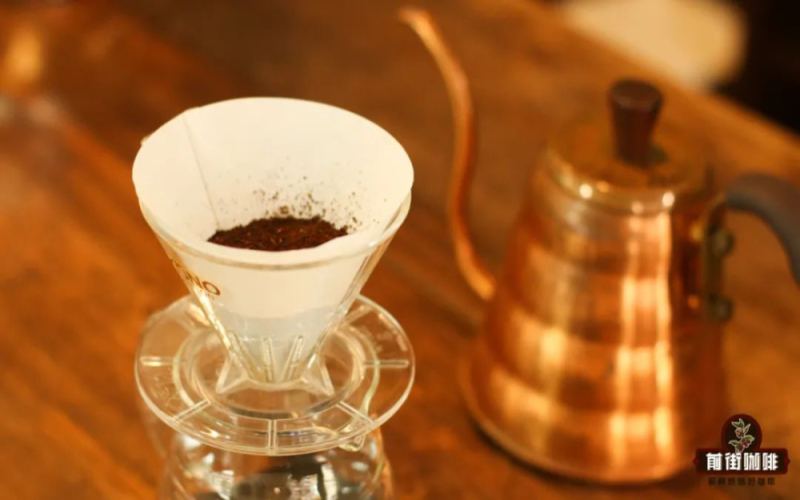
Should you pre-wet the filter paper before pour-over coffee? A comprehensive analysis of water absorption rate, fit to the dripper, and extraction effect
Before making pour-over coffee, is it really necessary to rinse the paper filter with hot water? This question has long been debated in the coffee community. Some insist that wetting the filter removes papery taste, helps the filter adhere better to the dripper, and preheats the dripper along the way; others believe that modern filter manufacturing has advanced so much that these reasons may no longer hold. This article, from Front Street Coffee's perspective, examines one by one whether the three traditional advantages of wetting the filter still stand, and takes a deeper look at how the water-absorbing properties of a dry filter affect coffee strength, as well as the pre-extraction issues that may arise when coffee grounds come into contact with water early. The final conclusion may surprise you—the difference between a wet and dry filter is actually negligible. [more…]
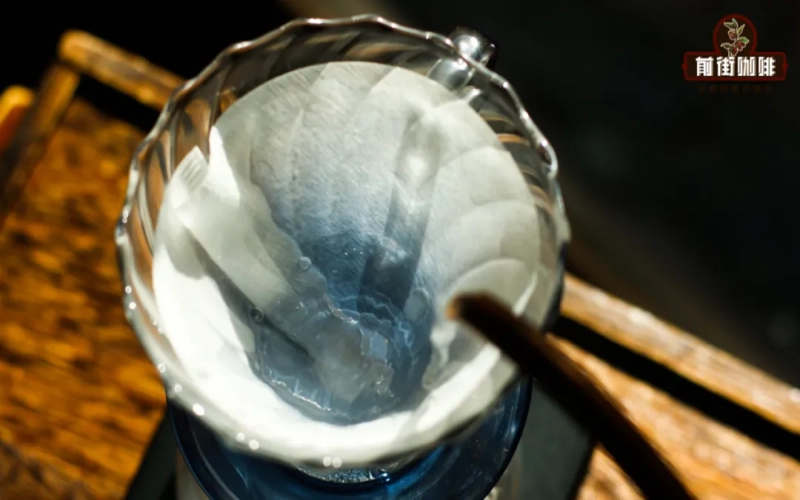
Do You Need to Rinse Pour-Over Coffee Filters First? A Full Guide to Buying Tips and Proper Use
When brewing pour-over coffee, should you really pre-wet the paper filter? This is a confusion many people encounter when they first get into pour-over. Some insist that wetting the filter is essential, while others brew directly with a dry filter. Which approach is actually more reasonable? The answer isn't absolute—it needs to be judged from three dimensions: how well the filter fits the dripper, the odor of the filter itself, and the storage environment. In addition, when wetting the filter, whether to use cold or hot water also matters—the choice of water temperature directly affects how well odors are removed and how well the equipment is preheated. Faced with the dazzling array of filter products on the market, the differences in flow rate and filtration effectiveness brought by different materials and manufacturing processes are huge. How should beginners choose? Front Street Coffee, drawing on practical experience, sorts out these key questions about pour-over filters one by one to help you make more suitable choices in your daily brewing. [more…]

Practical Tips on How to Correctly Fold Cone-Shaped Pour-Over Coffee Filters and Fit Them to the Dripper
The paper filter for pour-over coffee may look simple, but it actually hides quite a few details. Many coffee enthusiasts have encountered the situation during brewing where one side of the paper filter lifts up after being rinsed with water and cannot fit snugly against the dripper. Although it will not ruin the entire cup of coffee, it does affect the extraction. This article focuses on the folding and fitting issues of conical paper filters, starting with the selection of the dripper and filter paper, and then gradually breaks down the key steps such as folding, creasing, handling the conical bottom, and securing the filter with water, helping you get this detail right in your daily pour-over brewing. Front Street Coffee will also share, based on its own experience, why the resin version of the V60 dripper has more advantages in terms of standardization. [more…]
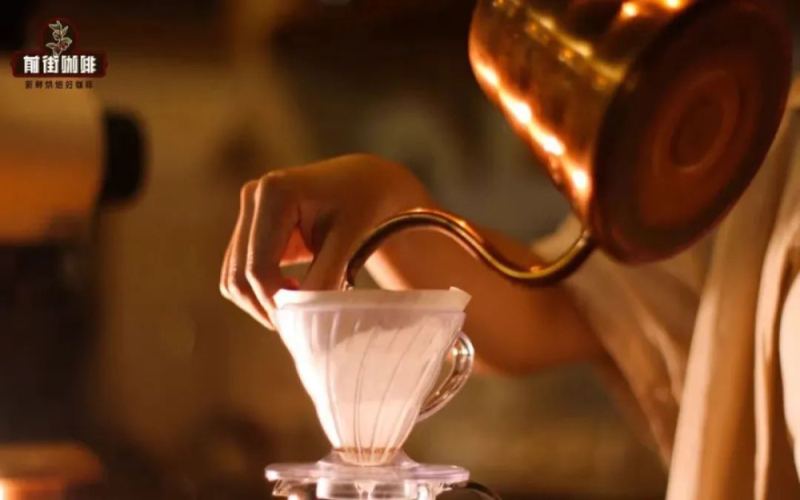
How to properly fold a pour-over coffee filter? Master the key steps for a more perfect fit in the dripper
When brewing pour-over coffee, how well the paper filter fits the dripper directly affects the extraction. Many enthusiasts use a pressing technique yet still find that the filter won't sit flush, and the root cause often lies in the folding step. After customers reported this issue at their stores, Front Street Coffee put together a detailed demonstration of the correct way to fold a cone-shaped paper filter. From folding along the seam and pressing the crease to the technique for securing it once it's in the dripper, every step matters. This article reproduces the entire process, explains how to handle specialty filters such as non-woven ones, and shows how to make the filter sit snugly for iced pour-over without wetting it first—so you can brew a consistent, great-tasting cup at home. [more…]

Filter Paper Folding Methods Vary? Front Street Teaches You the Complete Guide to Correctly Choosing, Folding, and Rinsing Filter Paper
Pour-over coffee enthusiasts often encounter a confusion: why do different baristas fold their filter papers in different ways? Which filter paper should be chosen, how should it be folded, and should it be pre-wetted? These seemingly minor details actually directly affect the flavor performance of the final cup. Front Street Coffee has accumulated considerable experience with filter paper usage in daily production, so this time we will conduct a systematic review centered on filter paper selection, folding techniques, and wetting treatment. Starting from the differences between natural wood filter paper and bleached filter paper, and then moving on to specific operational details, we hope to help everyone truly understand this seemingly simple step of filter paper, making every cup of pour-over more stable and clean. [more…]
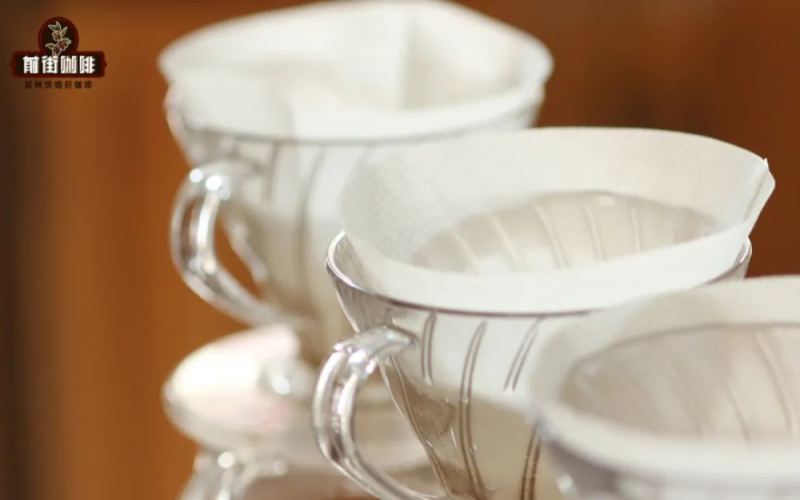
How does a poor fit between the filter paper and the dripper affect the flavor of pour-over coffee? Testing four scenarios and analyzing the causes
When brewing pour-over coffee, many people habitually rinse the paper filter with water first, aiming to make the filter cling tightly to the dripper. But does whether the filter clings or not really sway the taste of a cup of coffee? Front Street used a V60 and Yirgacheffe Red Cherry to run a set of comparison experiments, dividing filter states into four types: fully clinging, folded edge sticking up, placed crookedly, and not clinging at all, and recorded extraction time and flavor differences for each. The results showed that although the degree of clinging does not change the overall direction, it does leave traces on sweetness, acidity, mouthfeel, and astringency. Below, we break down the reasons one by one in the context of the brewing process. [more…]
A Complete Guide to Brewing Golden Mandheling Pour-Over: Grind Ratio, Variety Processing Methods, and Flavor Characteristics Explained
To brew a delicious pour-over coffee at home, choosing the right practice beans is key. Front Street Indonesia Golden Mandheling, with its rich and balanced flavor, has become the top choice for many coffee enthusiasts starting out. This article begins with the origin background of Front Street PWN Golden Mandheling, tracing the history of Indonesia's three major Sumatra producing regions, the Ateng variety, and the wet-hulling process, and explains PWN Company's trademark registration and grading standards for "Golden Mandheling." The equipment section introduces the key selection points for the pour-over kettle, dripper, filter paper, grinder, thermometer, electronic scale, and powder sifter one by one; the brewing section gives specific recommendations for water temperature, grind size, and coffee-to-water ratio, and finally includes the complete brewing parameters and staged extraction technique for Front Street PWN Golden Mandheling, helping readers establish a stable pour-over rhythm. [more…]
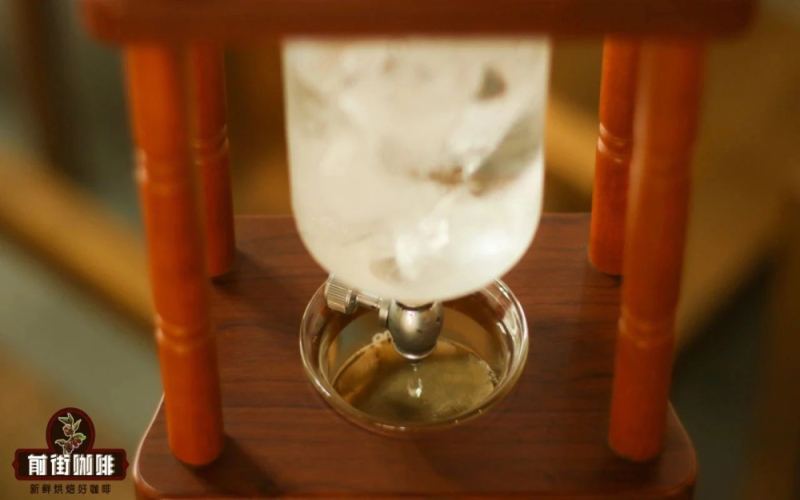
Make Cold Drip Coffee Without a Cold Drip Tower: A Simple Two-Dripper Method and Single-Origin Bean Selection Guide
Entering May, temperatures climb, and cold drip coffee becomes the top choice for beating the heat. However, professional cold drip towers are not cheap, yet are used infrequently, leaving many enthusiasts hesitant. This article will introduce a practical method for making 1-2 servings of cold drip coffee using just two drippers, with no additional equipment needed. At the same time, it will explain the principles of low-temperature extraction, flavor characteristics, detailed steps, and coffee beans suitable for cold drip. Front Street Coffee (FrontStreet Coffee) uses Panama Hartmann Estate red wine process coffee beans as an example to fully demonstrate the entire process from wetting the filter paper to resting and maturation, and shares the final flavor performance, providing coffee lovers with a reproducible home cold drip solution. [more…]
An Analysis of Colombian Coffee Flavor Characteristics and a Detailed Guide to Pour-Over Brewing Steps
Colombian coffee ranks second in global production, accounting for about 12% of the world's total output. Though it doesn't match Brazil in scale, it is renowned for its outstanding quality. Its beans are mostly grown at high altitudes and processed using the wet method, resulting in a flavor profile that is rich and full-bodied, with a smooth sweet acidity and substantial strength, along with a distinctive hint of sweet potato skin—making it a premium choice among coffees. Thanks to its complex aromatic layers, Colombian coffee is suitable both for drinking on its own and as a blending bean to enhance the aroma of other coffees. This article starts with the characteristics of Front Street Colombian coffee beans and then breaks down the seven steps of pour-over extraction one by one, covering key details such as grind size, filter paper preparation, cup warming, blooming, and pouring rhythm, helping coffee enthusiasts consistently reproduce a balanced and delicious cup at home. [more…]
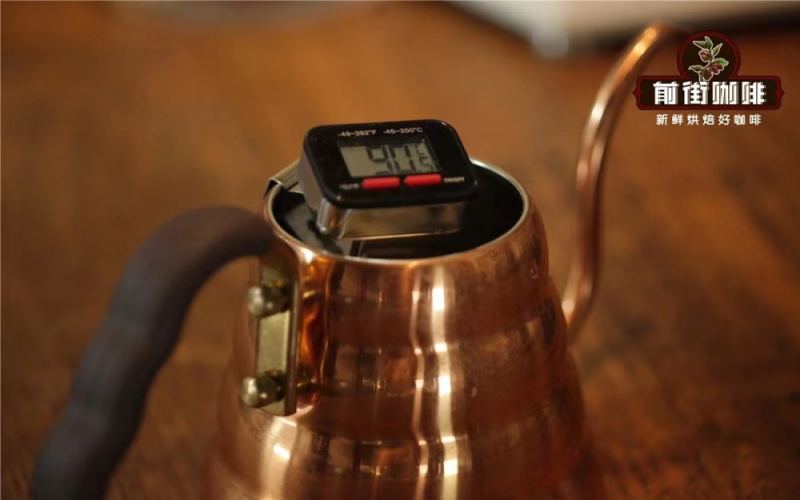
Golden Mandheling Pour-Over Coffee Extraction Plan | What Are the Variety, Processing Method, and Flavor of PWN Golden Mandheling Coffee? An Introduction to Golden Mandheling Coffee Bean Grind Size and Ratio
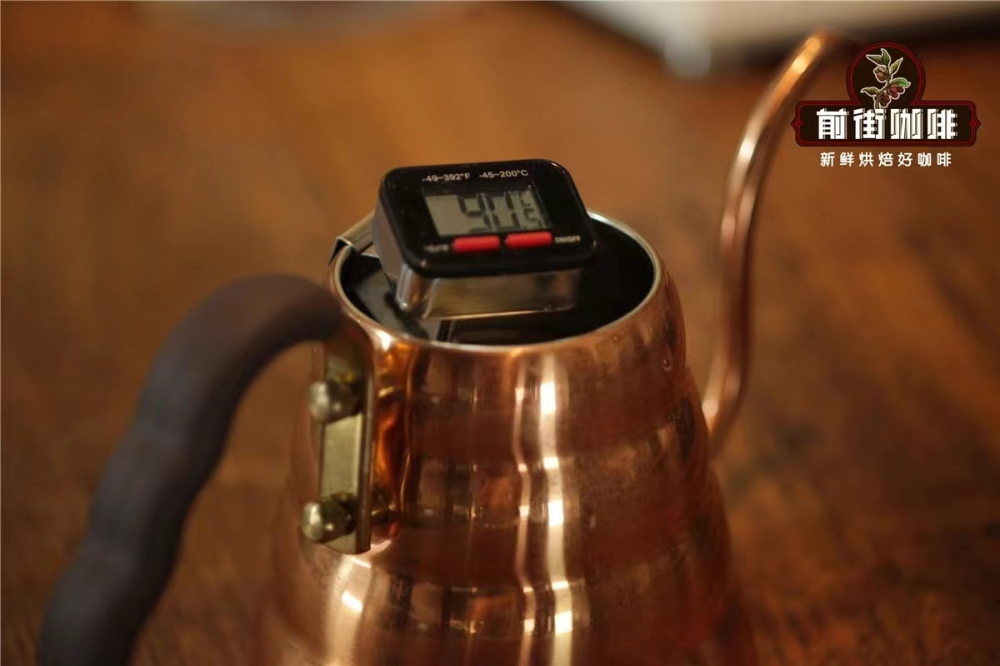
For more specialty coffee knowledge, please follow our WeChat official account: FrontStreet Coffee. With the development of the specialty coffee market, many coffee enthusiasts have started to explore how to brew pour-over coffee at home. However, pour-over coffee can't be mastered with just a recipe; it requires [more…]
Golden Mandheling Pour-Over Coffee Brewing Recipe | What Are the Variety, Processing Method, and Flavor of PWN Golden Mandheling Coffee? An Introduction to Golden Mandheling Coffee Bean Grind Size and Ratios
For more specialty coffee knowledge, please follow our WeChat official account: FrontStreet Coffee. With the development of the specialty coffee market, many coffee enthusiasts have started to explore how to brew pour-over coffee at home, but pour-over coffee isn't something that can be mastered with just a recipe — rather, it requires [more…]
What's the Difference Between Paper Filters and Flannel for Brewing Coffee? A Comprehensive Analysis from Oil Retention to Practical Differences
The filter material used in pour-over coffee directly determines the flavor expression in the cup. Paper filters deliver a clean mouthfeel, while flannel retains coffee oils, making body and smoothness more prominent. Starting from a conversation between Front Street and a customer, this article compares in detail the differences between the paper drip method and the flannel drip method in terms of filtration effect, historical origins, brewing techniques, suitable roast levels, and storage and maintenance. Although flannel still has devoted users in regions such as Japan, its limitations for light-roast coffee, learning curve, and hygiene issues cannot be overlooked. If you are struggling to choose which filter material to use, or want to understand the key points of flannel brewing, this article will provide a complete reference. [more…]
The Complete Guide to French Press Brewing: Bean Selection Ideas and a Step-by-Step Guide to Front Street Golden Mandheling
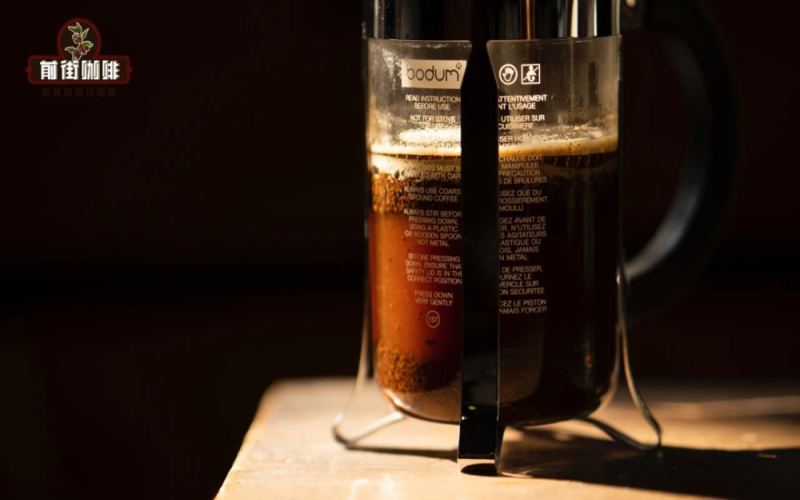
The French press is easy to use and requires no paper filter, making it a staple coffee brewer in many households. It uses immersion extraction, which better preserves the coffee oils and gives the cup a fuller, rounder mouthfeel. This article introduces the basic features and key points for using a French press, and focuses on medium-dark roasted coffee beans that suit it, highlighting Front Street Strawberry Candy, Front Street Queen's Estate, and the top recommendation, Front Street PWN Golden Mandheling. We will also cover the origins of Golden Mandheling, the background of PWN, and the characteristics of the wet-hulling process, plus a complete step-by-step guide to making French press coffee with Front Street Golden Mandheling, so you can easily recreate that rich flavor at home. [more…]
The Complete Guide to Brewing Coffee with the Clever Dripper: A Full Breakdown from Extraction Mechanism to Brewing Steps
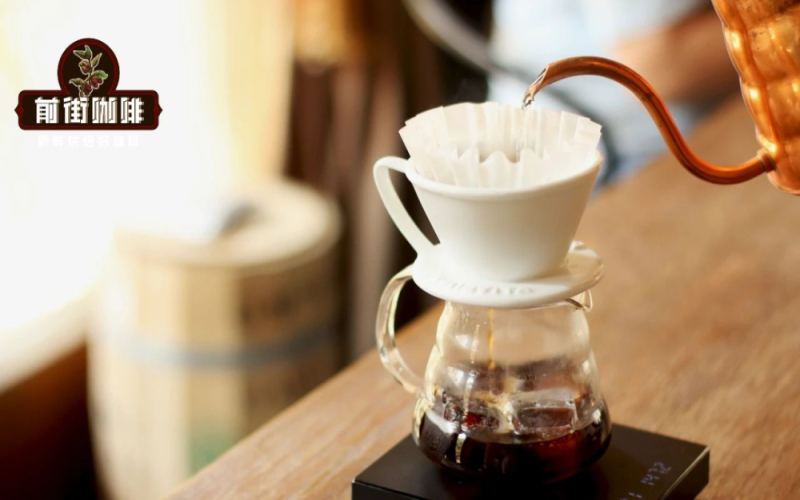
The Clever Cup is a unique coffee brewing device that combines a dripper with a valve design, originally developed and manufactured in Taiwan Province of China. It uses a rubber piston valve at the bottom to control water flow; when pouring water, it seals and stops the water, and when placed on a cup, it opens automatically, allowing the coffee liquid to filter out slowly. In terms of operation, you simply pour water and let it steep, wait four minutes, then place it on the rim of a cup. For cleaning, discard the coffee grounds together with the filter paper, and rinse with water to finish. Today, Front Street will guide everyone through the extraction principles of the Clever Cup and, using beans from Panama's Elida Estate as an example, demonstrate this lazy-friendly immersion brewing method in practice. [more…]